Mistakes I made on Kilimanjaro (And what I’d do differently)
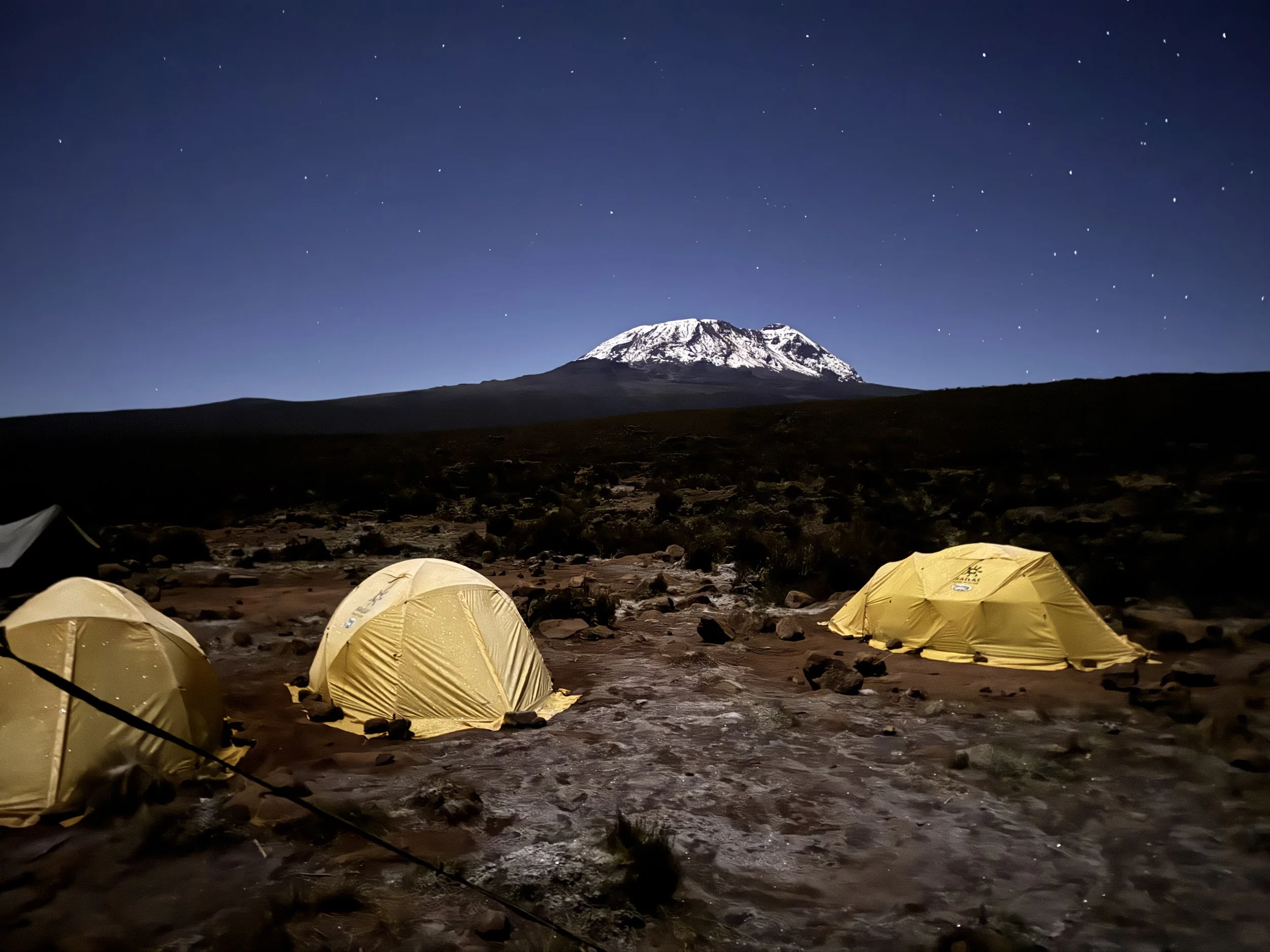
Kilimanjaro under the stars in the early hours of the morning
Kilimanjaro is a logistical game. You can be aerobically fit and still fail because you brought the wrong fuel or trained for the wrong movement. I summited, but wasn’t as efficient as I could’ve been.
This is my post-mortem. No fluff—just the mechanical errors I made and how I’d fix them if I were going to do it again!
Specificity of strength (step-ups vs. inclines)
The Theory: I spent hours hiking inclines and doing some stairs thinking my legs were bulletproof.
The Reality: Kilimanjaro isn't a ramp; it’s a series of irregular, giant stairs. My muscles were tuned for a 15% grade, but they weren't ready for the "maximal lunge" required to get over summit-day boulders.
The Fix: Lower the incline, increase the box height. Swap some "grind" time for weighted step-ups to build that specific explosive endurance.
Nutrition fail: Protein & acid
The Theory: Protein is for recovery and strength, so I packed the "healthy" stuff.
The Reality: At altitude, your digestive system basically goes on strike. It refuses to do the heavy lifting required to break down protein. I was choking down bars that felt like bricks while my body was screaming for simple sugar. But, when your stomach is already acidic from altitude and GI issues, citrus or sour snacks (like those Jolly Ranchers) turn into liquid fire.
The Pivot: Forget "clean eating" on the summit push. If your body can’t process it, it’s just dead weight in your stomach. Think liquid calories and simple, "basic" (pH-wise) carbs: graham crackers, plain pretzels, or specialized carb powders for your water.
"Fashion" fallacy (over-packing layers)
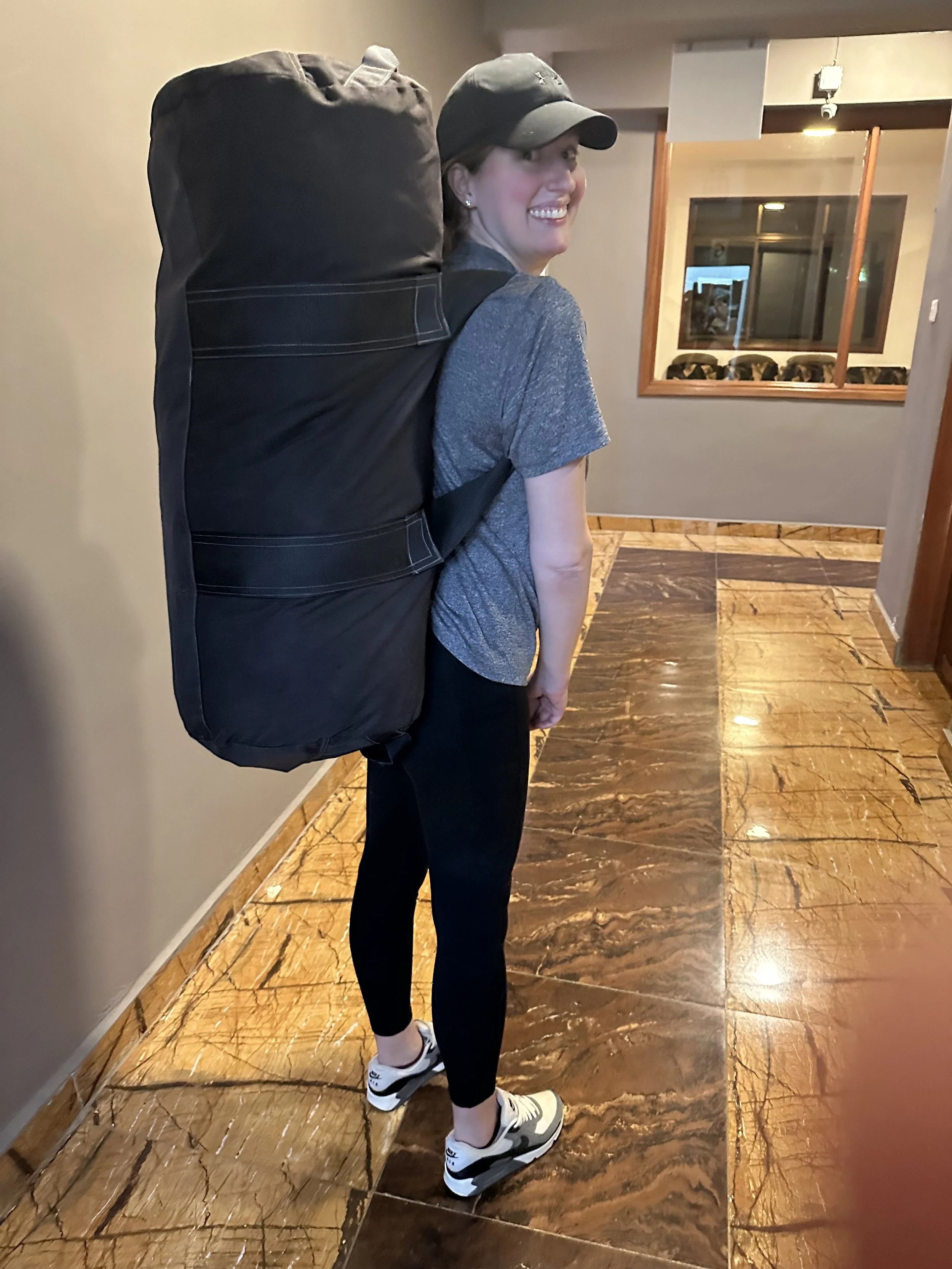
Waiting to weigh my duffel for the porters on Kilimanjaro
The Theory: I need a fresh layer for every temperature drop.
The Reality: There is a massive gap between how many clothes you think you need and what you actually have the energy to put on. You will be so exhausted by Day 4 that the idea of taking off your boots to change your pants feels like running a marathon.
The Lesson: You're wearing the same shell in every picture, so it doesn't matter what's underneath. Cut the weight and save the energy.
Summit night blur
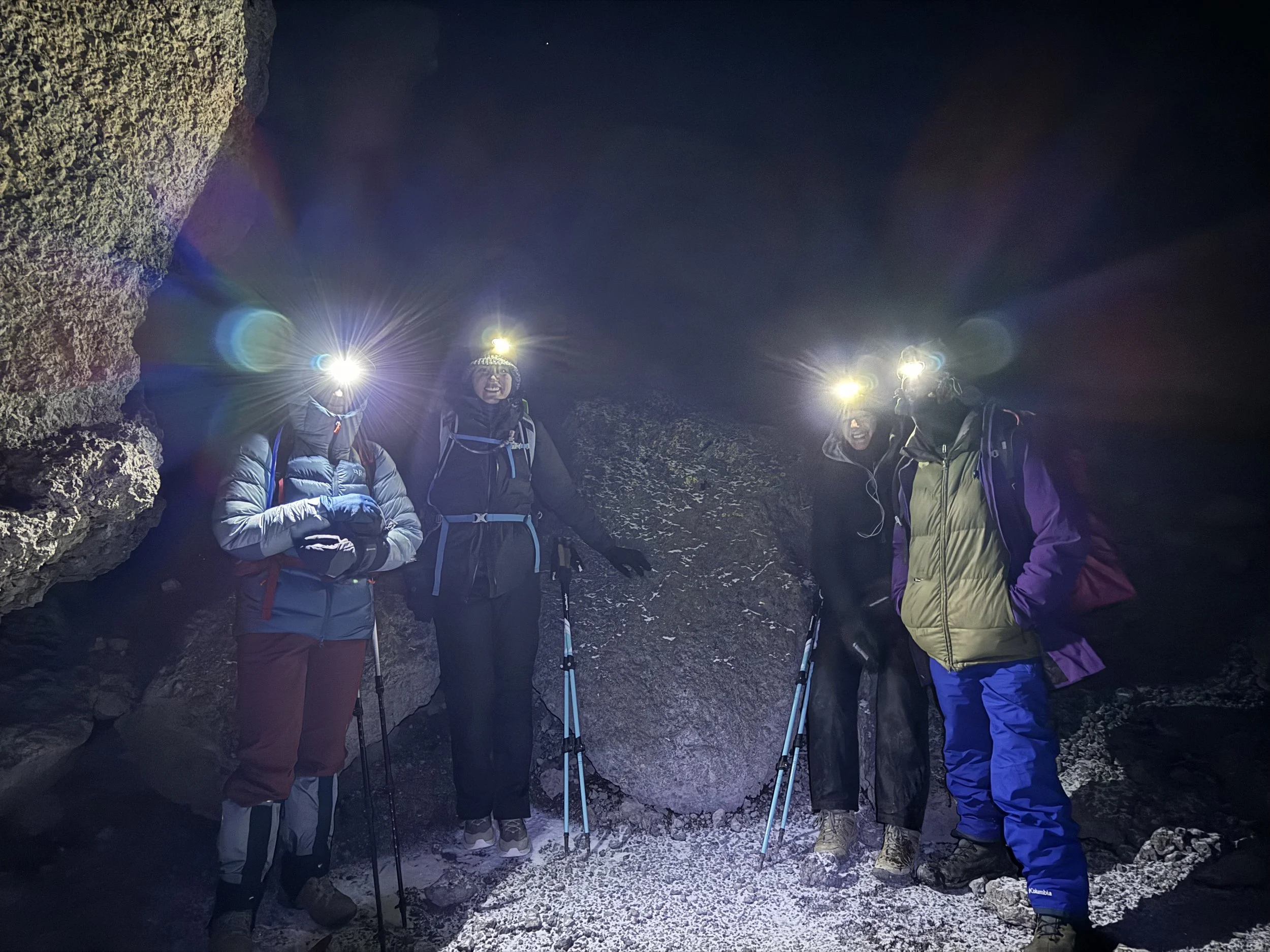
Our climbing group ready to leave base camp for summit night on Kilimanjaro
The Theory: I’ll be so moved by the summit that I’ll remember every second.
The Reality: Hypoxia is a hell of a drug. I remember the boots in front of me and a vague sense of cold. I have almost no photos of the most beautiful sunrise I’ve ever seen because I was too tired to take my hands out of my pockets.
The Fix: Force the documentation. Even if it’s a 10-second shaky video or a voice memo to yourself at 18,000 feet, you need an external "hard drive" for those memories because your brain isn't recording in HD at that altitude.
Data gap
The Theory: I’ll know if I’m performing well based on how I feel in the moment.
The Reality: Without a log of heart rate vs. perceived exertion vs. altitude, you have no baseline. When the suffering hits, you can’t tell if you’re redlining or if this is just the "normal" level of pain for this elevation. I finished the trek with zero data to help me prep for the next one.
The Fix: The "Vibe Check" log. For my next trip, I’m tracking specific metrics at every camp to turn "I think I'm dying" into "I always feel like this at 4,000 meters; I'm right on track." This one might be a little too nerdy for casual trekkers—but that data would’ve been invaluable for me or anyone who wants to move on to other high-altitude climbs!
If you’re prepping for this climb, stop planning for the "perfect" trek. Prepare for the moment your appetite vanishes, your fine motor skills fail, and every step feels like a max-effort lunge. Success on Kili isn't about how much gear you have or how many miles you ran on a flat treadmill. It’s about how well you manage the reality of suffering at altitude.
Learn from my mistakes! Train for the step-ups, pack the simple carbs, and document the grind before the hypoxia wipes your memory. ;)