The gear that got me to 19,341 feet
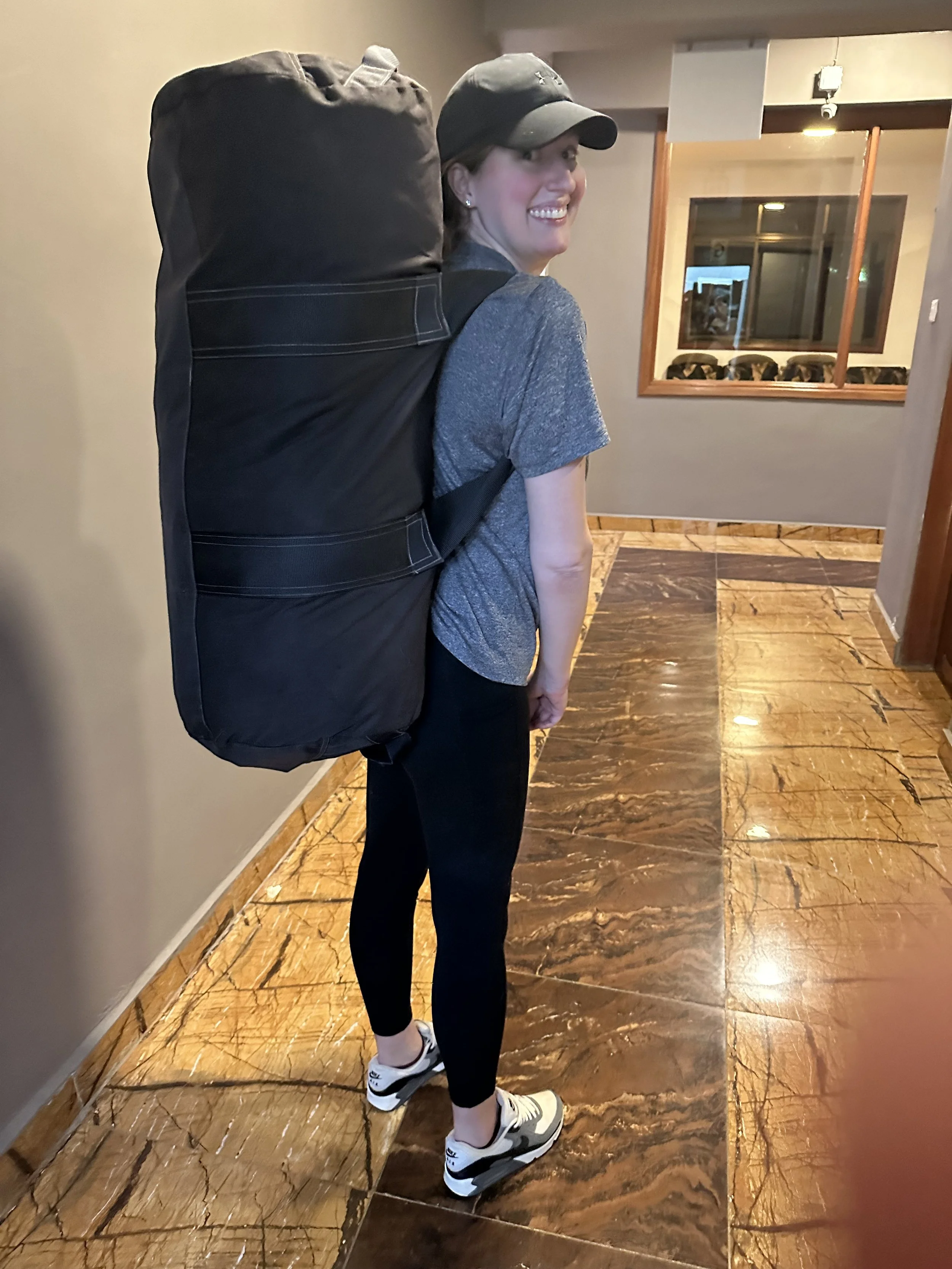
A full duffel for Kilimanjaro
When I decided to climb Kilimanjaro, I knew exactly what I was in for—or so I thought. I was prepared for the physical grind, but what actually caught me off guard was the gear learning curve. I quickly realized that mountaineering isn't just a sport of endurance; it’s a sport of systems. You don't just "bring a jacket,” you manage a layering system. You don't just "carry water," you learn what will and won’t freeze on summit night. As I prepare for Chimborazo and ultimately Everest, I’m looking back at the specific pieces of equipment that turned surviving into thriving on Africa’s tallest peak.
I independently review everything I recommend. When you buy through links in this post, I may earn a commission as an Amazon Associate and affiliate marketer at no extra cost to you. These commissions help fund my training and keep this blog running.

Merrell Moab Speed 2 Mid GTX
Footwear is the most critical decision for any trek. My Merrell Moab Speed 2 Mid GTX handled everything from the rainforest mud to the dusty scree slopes of the higher camps. They are lightweight like a runner but have the Gore-Tex waterproofing and ankle support needed for multi-day grinds. We had rain for about 4 hours each day, and my feet never felt a drop!
Columbia Omni-Heat Down Jacket
Summit night on Kili is notoriously cold. My Columbia Gold Omni-Heat Down Jacket was my primary heat source. The 800-fill down is incredibly packable, and the gold reflective lining actually works to bounce your own body heat back to you when the wind picks up. It’s so light, I was worried about it’s insulation, but was very pleasantly surprised that it kept me perfectly comfortable!
Black Diamond Mercury Mitts
I have a history of cold hands, but the Black Diamond Mercury Mitts are total game-changers. With a removable trigger-finger liner and a fully waterproof shell, these kept my fingers toasty even during the pre-dawn push to Uhuru Peak.
TrailBuddy Trekking Poles
For a very long time, I was very anti-trekking pole, convinced they’re just for old people. But between hiking the hills of the Camino and the rocky sections of Kilimanjaro, I’ve been converted. I went cheap on the poles, and have been pleasantly surprised with how well they’ve held up. These absolutely saved my knees. They are tough, adjustable, and significantly cheaper than the high-end carbon versions without sacrificing strength. And because they’re collapsable, they fit in my checked bag! (Sometimes they collapse with too much pressure but some quick knob tightening, they’re good as new).
Nalgene Water Bottle
Hydration is non-negotiable at altitude, and the Nalgene brand is a game changer because it’s reliable and sturdy enough to handle hot water as well as cold. On cold nights in the tent, we’d have our crew fill our bottles with hot water to warm our sleeping bags and keep us toasty. On summit night, we put hot water in it before we left to reduce the chance of it freezing on the ascent. And where else are you going to put all those stickers you’ve collected?
EllaPee Female Urination Device
A true "luxury" item for women in the mountains. It was the most help on cold nights in the tent. Yes, I peed in a water bottle. But when you’re half asleep at altitude, unzipping everything and crawling out of the tent to go into expose your bare butt to the wind… a pee bottle in the tent saves you a lot of energy and hassle.