Data doesn’t climb mountains
Welcome to my brain: where mountaineering training meets overthinking.
The overthinker’s dilemma
I work on the “Creative team” at my full-time job, but the truth is: I love data. Numbers and spreadsheets make me feel like I have control. So naturally, the first thing I did when I started this journey was buy a fitness watch and dive into the data.
And that’s when I started worrying I was “training wrong.” I was checking my watch once a minute during a workout, uploading heart rate charts to ChatGPT, weighing myself and analyzing my body in the mirror every day, panicking every time I didn’t feel perfectly strong—literally obsessing and beating myself up.
Then came Brushy Mountain Trail in Gatlinburg, Tennessee. It wasn’t supposed to be a test, just a morning hike with my parents while we visited Great Smoky Mountains National Park. The parking lot was full, so we added an extra mile each way. A bonus warm-up and cool-down, I told myself! But as the trail climbed roughly 2,000 feet of elevation (hooray, actual altitude and not a stairwell!), I felt… good. Like actually good. Like “I got to the summit and could keep going.”
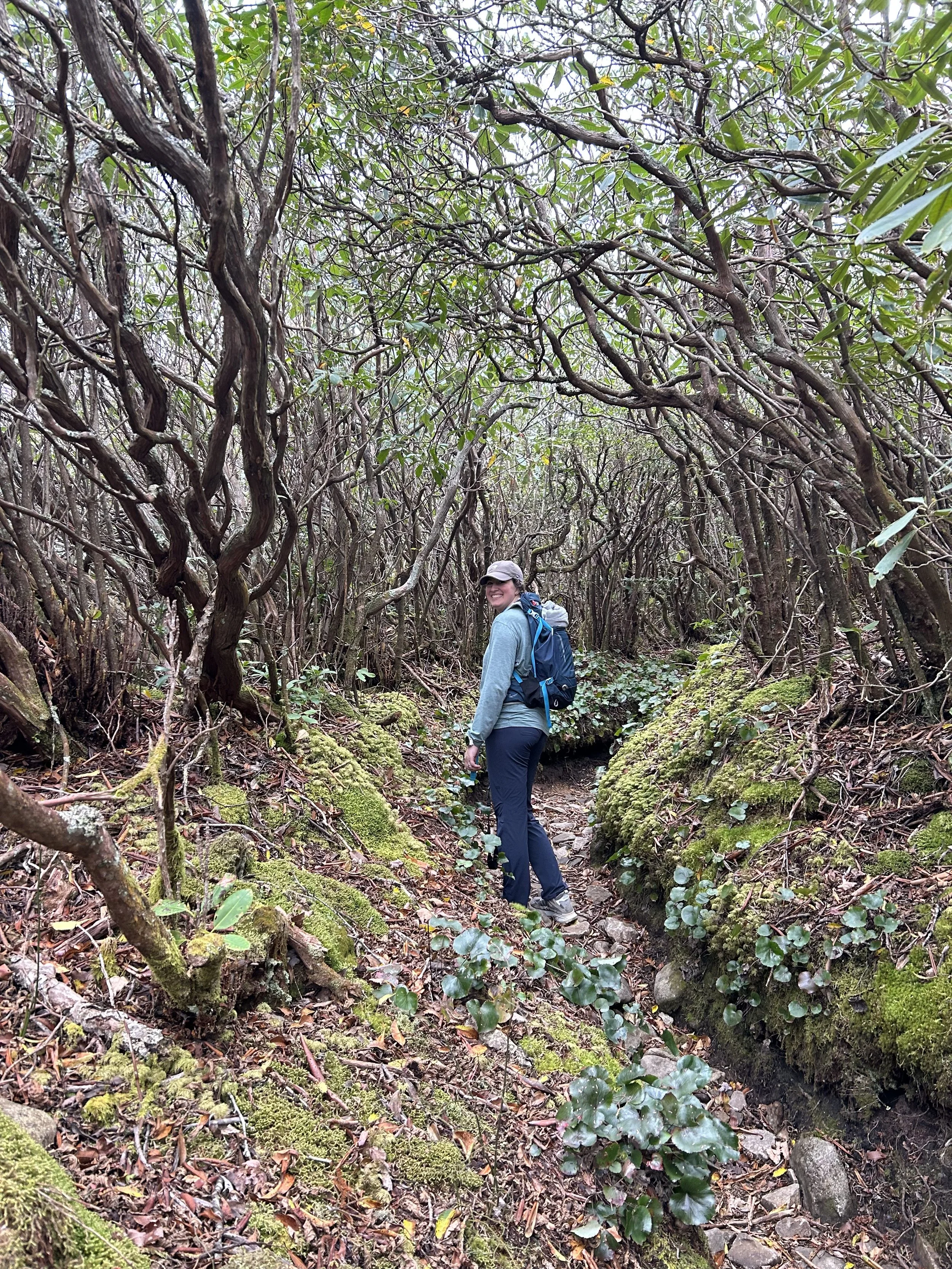
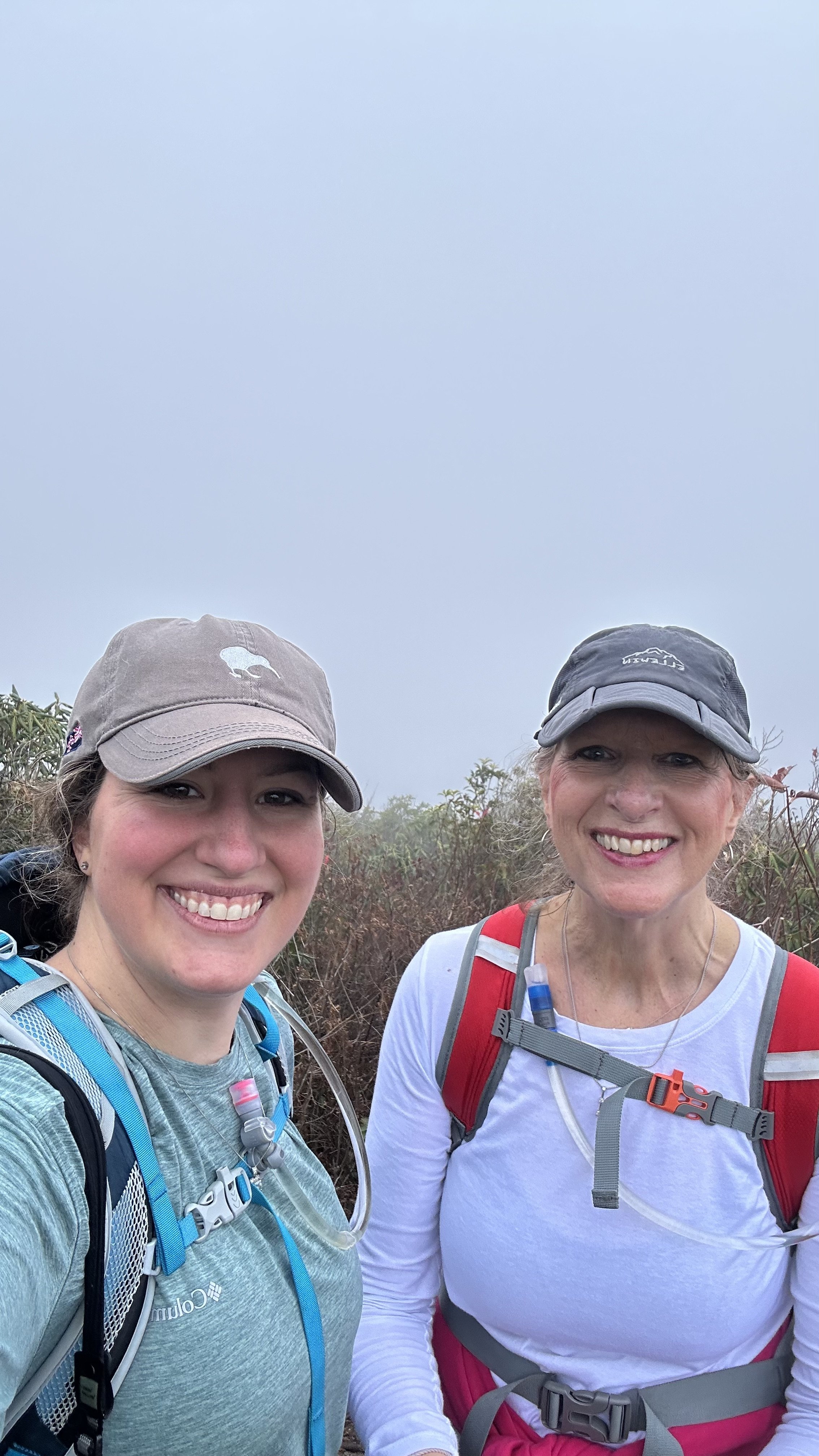
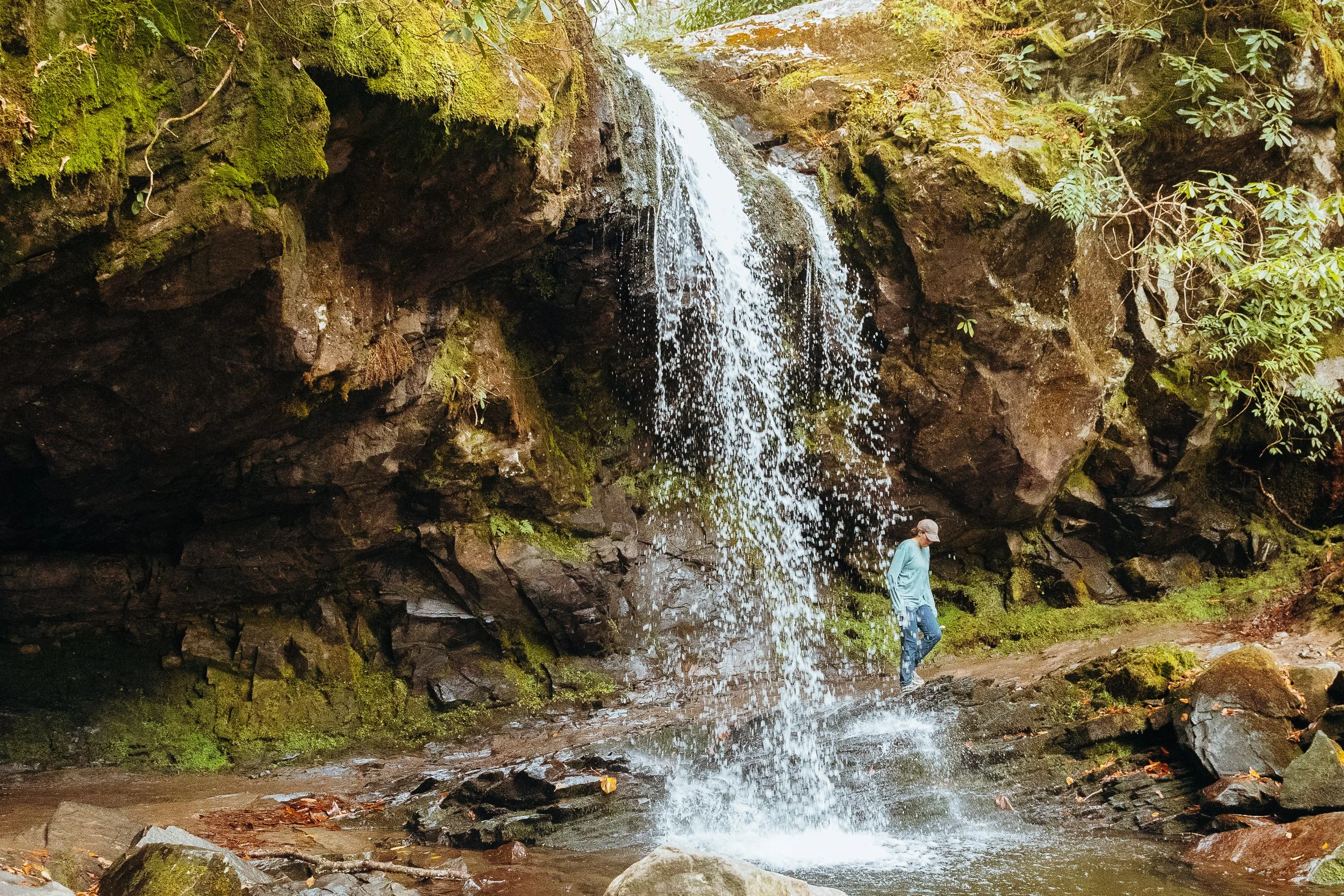
I wasn’t gasping. My legs weren’t rebelling. I was hiking (with a pack), breathing, laughing, enjoying myself. Maybe I’m not doing this wrong after all! For once, my Everest training didn’t feel abstract. I didn’t check my watch until we were done. (Okay, fine—I peeked once. Or twice.) But the numbers matched how I felt: strong, steady, hopeful.
That hike reminded me that progress isn’t something you can always quantify. The mountain doesn’t care if your training data drifted. Sometimes, it’s just feeling joy again in the process.
Learning to trust myself
Unfortunately I am still me! I’ll still chart, track, log, color-code, and probably overanalyze every future training cycle. But I’m also trying to remember that the data doesn’t climb the mountain. I do!
And sometimes, that means closing the app, looking up from the graph, and getting out of the stairwell.
This post is part of my TakingForeverest journey: A slow, intentional climb toward Ecuador 2026 and, someday, Everest. If you’ve ever overanalyzed your own progress (in training or in life), I hope this reminds you that you’re probably doing better than the data says.